Delhi
Delhi
Places
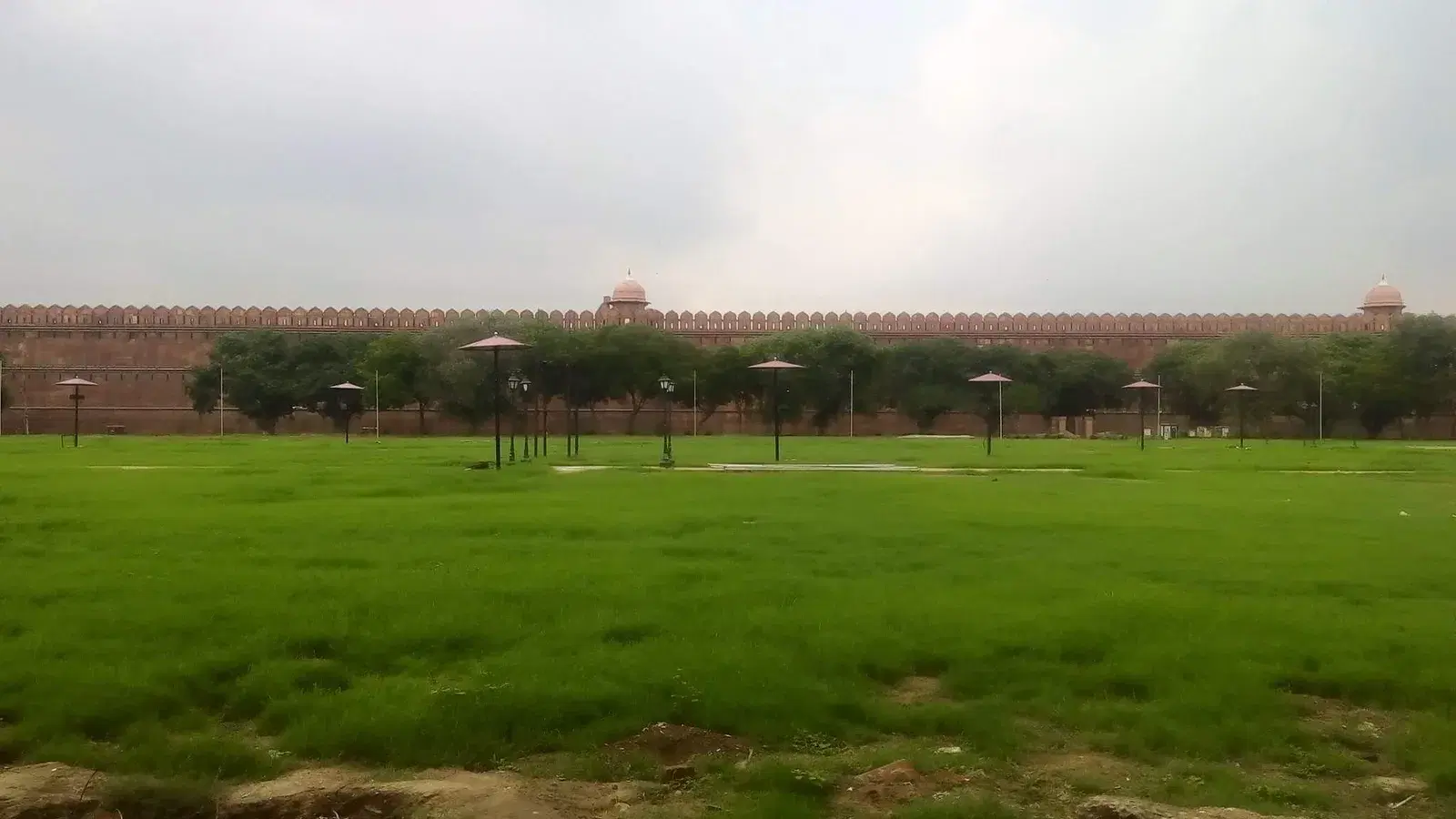
Red Fort
A 17th-century Mughal fort in Old Delhi and a UNESCO World Heritage Site, known for its red sandstone ramparts.
India Gate
A war memorial arch at the eastern end of Kartavya Path, among Delhi's most recognizable landmarks.
Lotus Temple
A Baha'i House of Worship known for its distinctive lotus-flower-shaped architecture, open to people of all faiths.
Akshardham
A large Hindu temple complex known for its intricate architecture, exhibitions, and evening musical fountain show.
Dilli Haat (INA)
An open-air crafts and food market near INA featuring stalls from different Indian states, offering handicrafts, textiles, and regional cuisine.
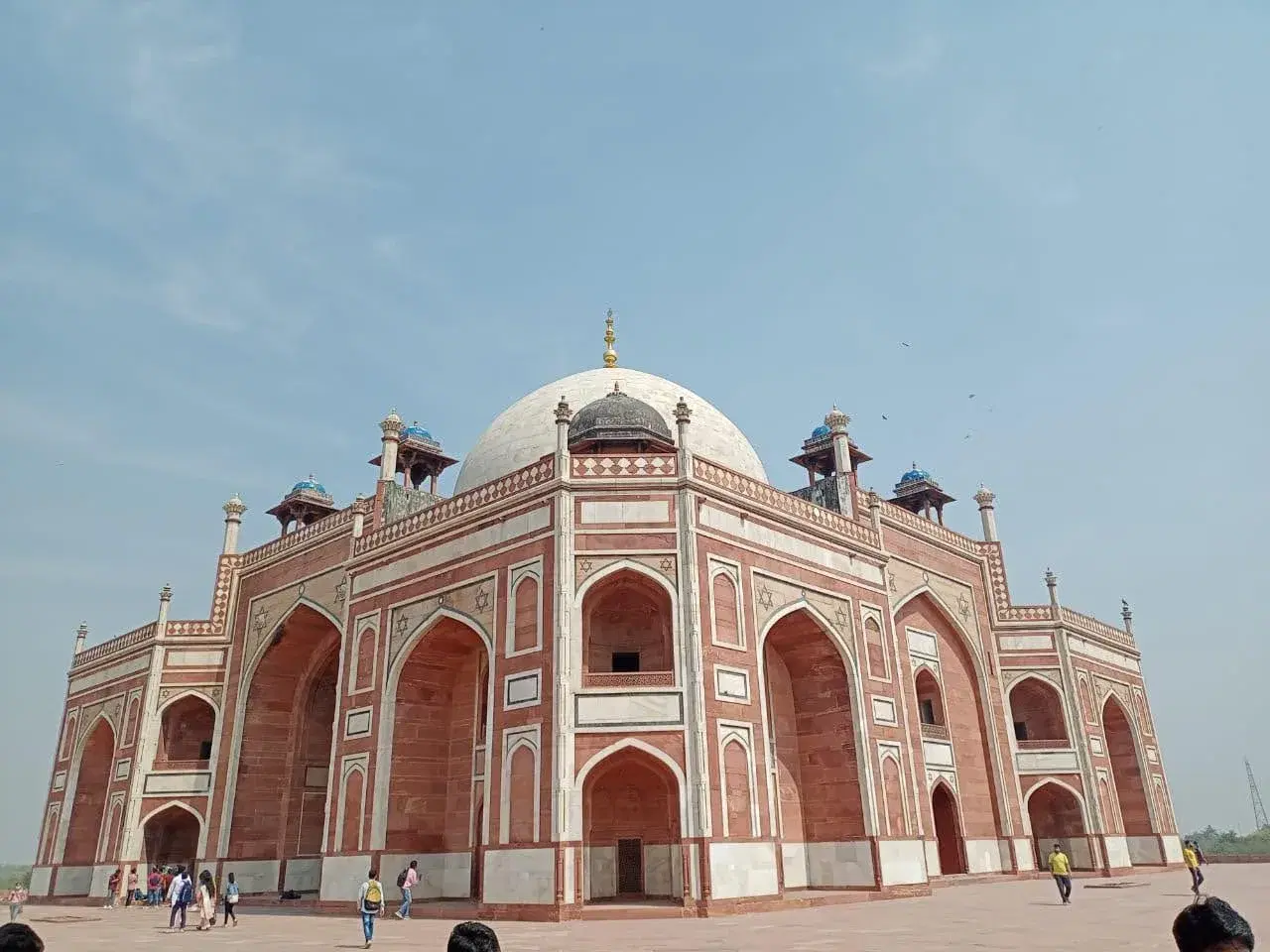
Humayun's Tomb
Situated in Nizamuddin East near the Dina-panah Citadel, Humayun's Tomb is the resting place of the Mughal Emperor Humayun. Empress Bega Begum, his primary consort, commissioned the monument in 1558 and appointed Persian architect Mirak Mirza Ghiyas and his son Sayyid Muhammad to direct the design. Notable for pioneering the garden-tomb layout on the Indian subcontinent, the site is also recognized as the earliest architectural work in the region to employ red sandstone on an extensive scale.
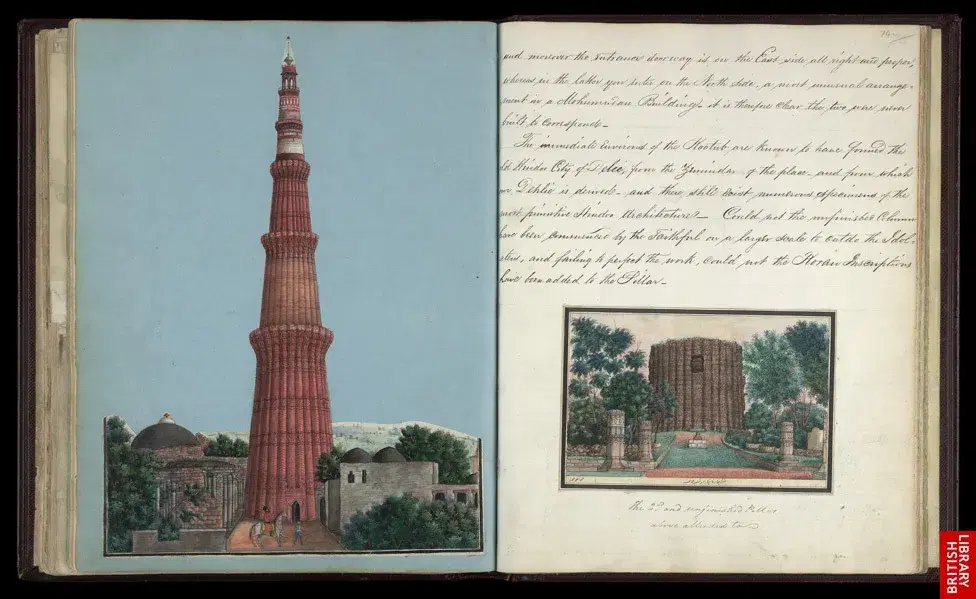
Qutb Minar
Located in Mehrauli, South Delhi, the Qutb Minar is a prominent victory tower and minaret within the UNESCO World Heritage-listed Qutb complex. Rising with 399 interior steps, its construction was initiated by Qutab-ud-din Aibak following the defeat of Prithviraj Chauhan to signal Islamic governance in the territory. While Aibak erected only the base level, subsequent Delhi Sultanate rulers advanced the tower largely between 1199 and 1220, and Firuz Shah Tughlaq later restored the upper storeys and incorporated a cupola in 1368.
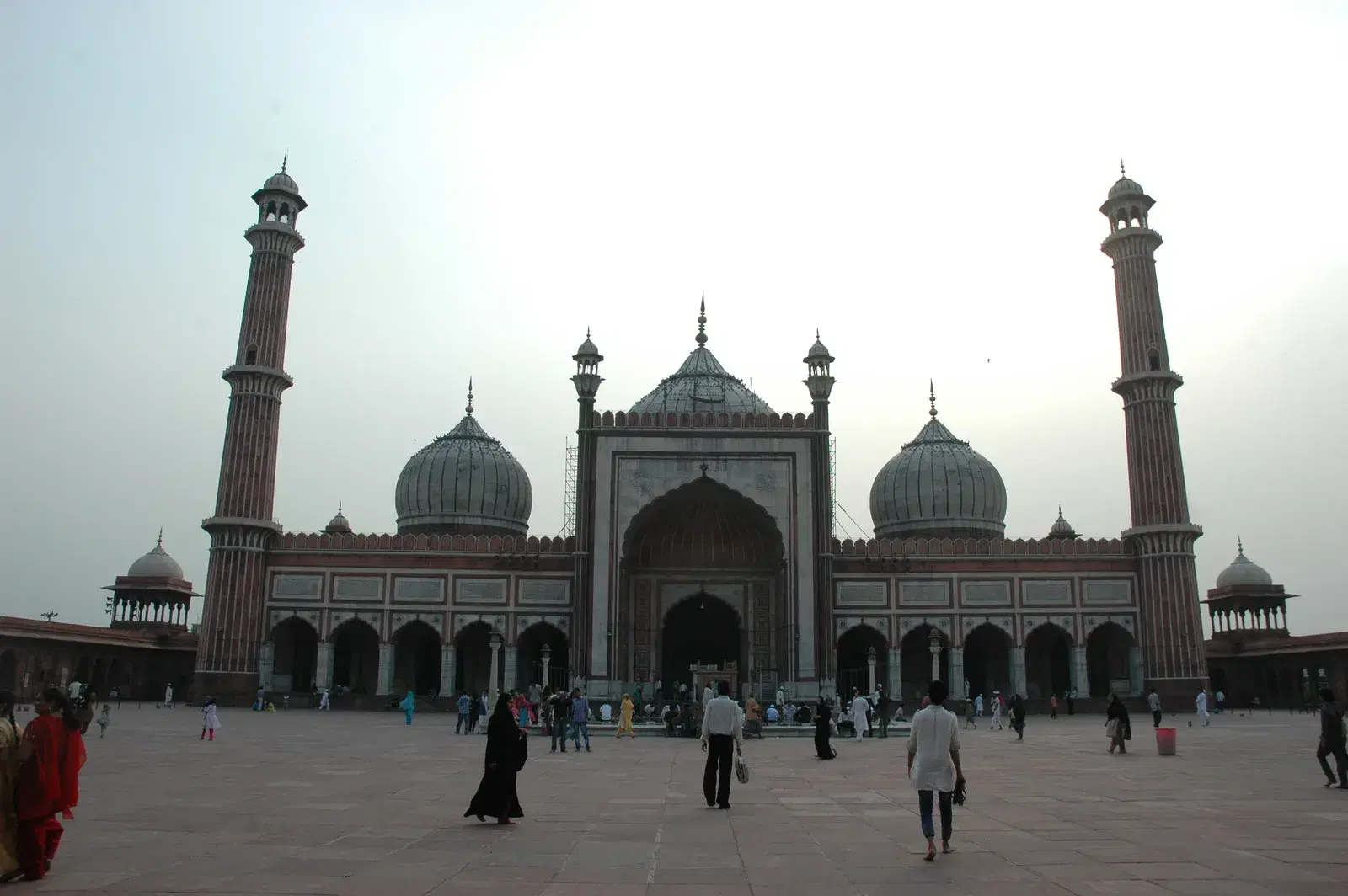
Jama Masjid Delhi
Constructed between 1644 and 1656 by Emperor Shah Jahan, the Masjid-i-Jehan-Numa, widely known as Jama Masjid, ranks among India's largest mosques. Inaugurated by Syed Abdul Ghafoor Shah Bukhari in Shahjahanabad, it functioned as the official imperial mosque until the Mughal realm collapsed in 1857. Beyond standing as an emblem of Mughal supremacy, it maintained political prominence during the British colonial era. Classified as a Monument of National Importance, the site continues active religious functions in Old Delhi.